Museum Free Nights, Borough by Borough
The decision arrives after a long public process — and leaves several questions open.
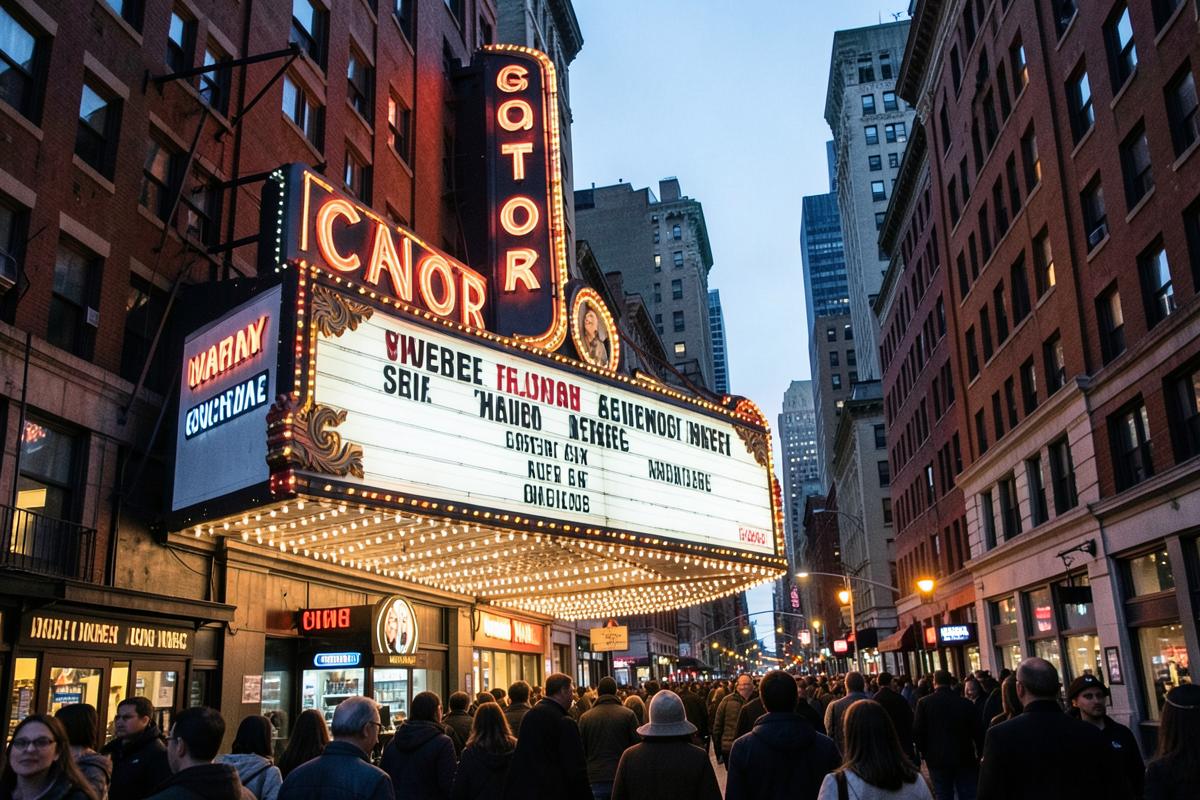
The documents are dry; the stakes are not. museum Free Nights, Borough by Borough now sits at the intersection of money, geography and patience — three things New York has never had in equal supply.
Details below were confirmed with organizers before publication. Programs change; where a listing depends on weather or permitting, we note it.
Advocates on both sides of the argument make reasonable points. One holds that the pace of change is already straining institutions that residents depend on. The other holds that the cost of inaction compounds quietly and lands hardest on those least able to absorb it. The evidence supports parts of each position.
None of this resolves the underlying disagreement about priorities, which is properly a political question rather than a technical one. But it narrows the range of honest positions. The facts, as they now stand, rule out both the most alarming and the most reassuring accounts of museum Free Nights, Borough by Borough.
Comparative figures help place New York in context. Cities of similar size have taken different approaches to parks concerts, with results that resist easy summary. The most successful examples share one unglamorous feature: they measured outcomes continuously and published what they found, including the failures.
Technical detail matters more than usual in this case. Small choices about standards, thresholds and measurement windows determine which outcomes look like success. Practitioners describe a field in which the definitions are still being negotiated even as the work proceeds.
Our reporting will continue. We are publishing the underlying figures alongside this article and will update it as the relevant bodies act. Readers with documents, records or firsthand experience of parks concerts are invited to write to the newsroom.
The financial picture is the constraint that governs the rest. Capital budgets are committed years in advance, and each revision moves obligations rather than removing them. Analysts who follow parks concerts note that the cost of waiting is now legible in the documents themselves, expressed as escalation rather than as policy.
The historical record is instructive. New York has confronted a version of this question before — in the 1970s, again in the early 2000s — and the resolutions that lasted were the ones that survived a change of administration. Institutional durability, more than any single plan, has been the city's reliable predictor of results.
The immediate facts are not in dispute. Over the past eighteen months the relevant agencies have collected more data, published more of it, and drawn conclusions that broadly agree on direction if not on magnitude. Where the assessments part company is on cause: whether what New York City is seeing reflects a durable structural change or a slower recovery from an unusual few years.
It would be a mistake to read the trend as uniform. Within a single borough the numbers diverge sharply block to block, and the averages conceal the places where conditions have improved markedly alongside those where they have not improved at all. Any honest account of museum Free Nights, Borough by Borough has to hold both.
Community board and public hearing dates are included deliberately. They are the least attended and most consequential events on any city calendar.